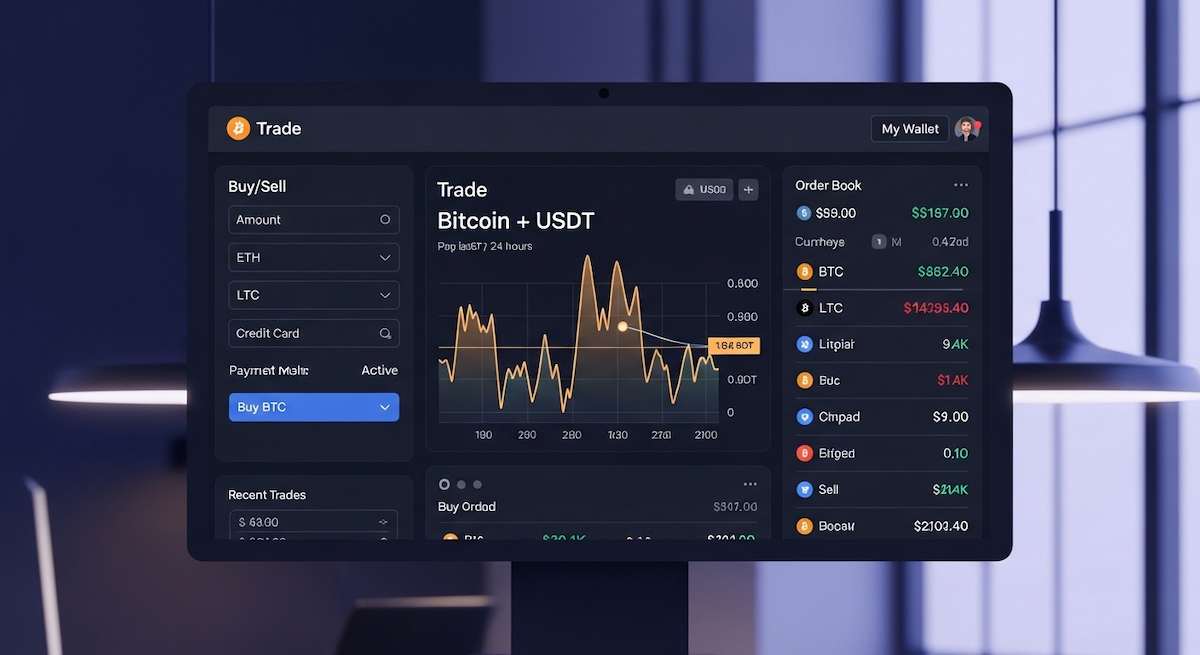
Decentralized exchanges (DEXs) have become a major force in the evolution of cryptocurrency trading by eliminating intermediaries and allowing users to trade directly through blockchain-based smart contracts. Unlike centralized exchanges, where users must deposit funds and trust a third party to manage assets, DEX platforms enable full custody control, significantly reducing risks related to hacks, fraud, and regulatory restrictions. As the DeFi ecosystem continues to grow, traders now demand more than just basic token swaps they expect efficient pricing, deep liquidity access, and seamless execution. This demand has led to the rise of liquidity aggregation platforms like 1inch, which solve one of the biggest challenges in decentralized trading: fragmented liquidity across multiple exchanges. Instead of relying on a single liquidity pool, these platforms scan and connect multiple DEXs to ensure users receive the best possible trading rates. To capitalize on this opportunity, many businesses are adopting 1inch clone scripts, which provide a ready-made framework to build similar aggregator platforms quickly and efficiently, reducing both development time and technical complexity.
What is a 1inch Clone Script and How It Works
A 1inch clone script is a pre-built software solution that replicates a decentralized exchange aggregator, allowing users to trade tokens through multiple DEX platforms from a single interface. It works by combining liquidity from sources like Uniswap, PancakeSwap, and others into one unified system, helping solve the problem of fragmented liquidity where prices vary across exchanges. A key feature is smart order routing, which automatically finds the best trading path by splitting transactions across different liquidity pools to reduce slippage and improve pricing. Unlike standard DEXs that rely on a single liquidity source, a 1inch-style aggregator acts as an optimization layer that enhances trade efficiency. In practice, when a user places a trade, the system quickly scans all connected liquidity pools, selects the best route, and executes the transaction within seconds to ensure optimal results.
Business Opportunity Behind 1inch Clone Script Development
Growing Demand for DEX Aggregator Platforms
The rapid expansion of decentralized finance has made DEX aggregators one of the most promising business models in the crypto industry. Entrepreneurs are increasingly investing in 1inch clone script solutions because they solve a critical issue in DeFi—liquidity fragmentation—while offering a non-custodial trading environment that reduces dependency on centralized intermediaries. This combination of efficiency, security, and transparency has positioned aggregator platforms as a key driver of next-generation crypto trading infrastructure.
Revenue Potential in DeFi Trading Ecosystems
The monetization potential in decentralized exchange aggregators is significant due to multiple revenue channels. Platform owners can generate income through transaction fees, premium trading features, token listing charges, and liquidity incentives. As trading volumes grow across DeFi ecosystems, even small fee percentages can translate into substantial earnings. In addition, many platforms introduce native governance tokens, creating additional value through staking rewards, ecosystem participation, and long-term token appreciation.
Market Gaps Solved by Clone Solutions
Despite the rapid growth of DEX platforms, users continue to face challenges such as price discrepancies, high slippage, and fragmented liquidity pools. A 1inch clone script addresses these inefficiencies by aggregating liquidity from multiple decentralized exchanges into a single optimized trading layer. This ensures users receive better pricing and improved execution quality, which is especially important in volatile market conditions where price differences across exchanges can be significant.
Advantages Over Building from Scratch
Developing a DEX aggregator from the ground up requires extensive technical expertise, including smart contract development, routing algorithm design, and multi-chain integration. This process is not only time-consuming but also expensive and risky. Clone script solutions eliminate these barriers by offering a pre-built and tested framework that can be customized according to business requirements. This allows startups to focus more on branding, strategy, and user acquisition rather than core infrastructure development.
Scalability for Long-Term Business Growth
One of the strongest advantages of 1inch clone-based platforms is their scalability. As new blockchain networks and liquidity sources continue to emerge, these systems can easily integrate additional chains without redesigning the entire architecture. This flexibility ensures that the platform remains relevant and competitive in the fast-evolving DeFi landscape, supporting long-term expansion and sustained user growth.
Core Features of a High-Performance 1inch Clone Script
Multi-Liquidity Source Integration Engine
A robust clone script integrates multiple decentralized exchanges into a unified liquidity layer, allowing users to access deeper markets and improved token pricing from a single platform interface.
Smart Order Routing and Price Optimization System
Advanced routing algorithms analyze available liquidity in real time and determine the most efficient trade execution path, reducing slippage and maximizing returns for users.
Cross-Chain Trading Capabilities
Cross-chain functionality enables seamless asset swaps across different blockchain networks, expanding trading opportunities beyond a single ecosystem and improving overall market accessibility.
Wallet Integration and Secure Authentication Systems
Secure wallet connectivity ensures users maintain full custody of their assets while enabling smooth authentication and safe transaction processing within the platform.
Real-Time Price Tracking and Analytics Dashboard
Live data dashboards provide traders with up-to-date insights into price movements, liquidity depth, and trading volumes, helping them make informed trading decisions.
Advanced Trading Interface for Seamless User Experience
User-friendly interfaces are designed to simplify complex trading operations, making token swaps and asset management intuitive and efficient for both beginners and experienced traders.
Gas Fee Optimization and Transaction Efficiency Tools
Optimization mechanisms reduce transaction costs by selecting the most efficient execution paths and minimizing unnecessary blockchain fees during network congestion.
Token Swap and Instant Exchange Functionality
Instant swap features allow users to quickly exchange tokens without delays, ensuring fast execution and improved liquidity utilization across platforms.
Admin Control Panel for Full Platform Oversight
A centralized administrative dashboard gives platform operators complete control over system performance, liquidity monitoring, user activity, and configuration settings, ensuring smooth and efficient platform management.
Technical Architecture Behind a 1inch Clone Platform
Front-End User Interface Structure and Design Flow
A 1inch clone platform begins with a highly optimized front-end interface that acts as the user’s gateway into decentralized trading. The interface is designed to simplify complex blockchain operations by offering a clean swap experience where users can select token pairs, view real-time exchange rates, and execute trades instantly. Behind this simplicity lies a continuously updating system that pulls live data on prices, liquidity depth, gas fees, and optimal routing paths. The goal is to reduce cognitive load for users while still offering full transparency into trade execution. A well-structured UI ensures responsiveness across devices and maintains speed even during high network congestion, which is crucial in volatile crypto markets.
Back-End Trading Engine and Execution Logic
The back-end trading engine serves as the computational core of a 1inch-style aggregator. It constantly scans multiple decentralized exchanges to determine the most efficient route for each trade. Instead of executing transactions through a single liquidity pool, the engine intelligently splits orders across multiple pools when necessary to reduce slippage and improve price outcomes. This dynamic routing mechanism is what makes aggregator platforms significantly more efficient than traditional decentralized exchanges. In high-volume scenarios, even minor optimizations in routing can lead to noticeable cost savings for users, making the engine a critical performance driver.
Smart Contract Integration and Automation Layer
Smart contracts function as the execution backbone of the platform, ensuring that every trade is processed in a secure, trustless, and transparent manner. Once the optimal trading route is identified by the back-end engine, smart contracts execute atomic swaps on-chain. These swaps either complete fully or revert entirely if any part of the transaction fails, eliminating partial execution risks. Automation at this layer removes the need for intermediaries and ensures that all rules related to trade execution, fees, and liquidity usage are enforced directly on the blockchain.
API Connectivity with Multiple Liquidity Pools
API integration plays a vital role in connecting the platform to various decentralized exchanges and liquidity providers such as Uniswap, SushiSwap, and PancakeSwap. These APIs supply real-time data on token reserves, trading volumes, and price fluctuations. The back-end system continuously aggregates this information to identify the best possible execution routes. Without reliable and low-latency API connectivity, the platform would not be able to maintain accurate pricing or efficient trade execution, especially during high market volatility.
Blockchain Network Compatibility Considerations
A robust 1inch clone platform is designed to operate across multiple blockchain networks, including Ethereum, Binance Smart Chain, Polygon, Avalanche, and Arbitrum. Each blockchain differs in terms of transaction speed, gas fees, and scalability, requiring tailored integration strategies. Multi-chain compatibility significantly enhances liquidity access and allows users to trade across ecosystems without relying on centralized intermediaries. However, it also increases architectural complexity, requiring careful synchronization across networks.
Database Structure and Transaction Record Handling
Although trades are executed on-chain, off-chain databases are essential for storing transaction history, user activity, and analytics data. This hybrid structure ensures that the platform remains scalable and responsive while still preserving blockchain transparency. By indexing blockchain data into structured databases, the platform can provide users with faster access to trade history, portfolio insights, and performance analytics without repeatedly querying the blockchain.
Security Layers and Encryption Mechanisms
Security is a foundational element of any decentralized exchange aggregator. The platform implements multiple layers of protection, including encrypted communication channels, secure wallet integrations, and rigorously audited smart contracts. Additional safeguards such as MEV protection, anti-front-running mechanisms, and DDoS mitigation systems help prevent exploitation and malicious activity. Given the irreversible nature of blockchain transactions, even minor vulnerabilities can lead to significant financial losses, making security a top priority throughout the architecture.
Technology Stack Used in 1inch Clone Script Development
Front-End Technologies for Responsive Trading Platforms
The front-end layer is typically developed using modern JavaScript frameworks such as React or Vue.js. These frameworks enable the creation of highly responsive and dynamic interfaces capable of handling real-time price updates and interactive swap functionalities. Performance optimization techniques like caching, lazy loading, and component-based rendering ensure smooth user experiences even under heavy traffic conditions.
Back-End Frameworks for Scalable Exchange Systems
The back-end is commonly built using scalable technologies such as Node.js, Go, or Python-based microservices. These systems handle routing computations, liquidity aggregation, and API communication at high speed. A microservices architecture is often used to ensure that different components—such as trading engines, analytics modules, and authentication systems—can scale independently based on demand.
Blockchain Protocols Commonly Supported
Most 1inch clone platforms support multiple blockchain networks including Ethereum, Binance Smart Chain, Polygon, Avalanche, and Arbitrum. Each network offers different advantages in terms of transaction cost, speed, and scalability. Supporting multiple protocols allows the platform to access deeper liquidity pools and offer users more efficient trading options.
Smart Contract Languages and Development Tools
Smart contracts are primarily written in Solidity for Ethereum-compatible networks. Developers use frameworks such as Hardhat, Truffle, and Foundry to test, debug, and deploy contracts securely. These tools allow simulation of complex trading scenarios before deployment, reducing the risk of vulnerabilities in live environments.
Cloud Infrastructure and Hosting Environments
Cloud infrastructure providers such as AWS and Google Cloud are commonly used to host backend services, APIs, and monitoring systems. Auto-scaling capabilities ensure that the platform can handle sudden spikes in trading activity without downtime. In some cases, decentralized hosting solutions are also explored to align with blockchain-native principles.
Integration Tools for Wallets and External DEX APIs
Integration tools like Web3.js, Ethers.js, and WalletConnect enable seamless interaction between user wallets and the trading platform. These tools allow users to sign transactions securely, connect wallets, and interact directly with smart contracts. Additionally, external DEX APIs are integrated to fetch liquidity data and execute optimized routing across multiple exchanges.
Step-by-Step Process to Launch a 1inch Clone Exchange
Requirement Analysis and Business Planning Stage
The launch of a 1inch clone exchange begins with a structured requirement analysis phase where the business model, target audience, and revenue expectations are clearly defined. This stage involves identifying whether the platform will focus on retail traders, institutional users, or a hybrid audience. Market research is essential here, as DEX aggregator demand is strongly influenced by liquidity depth, trading fees, and supported blockchain networks. A well-defined roadmap at this stage helps prevent costly redesigns later and ensures alignment between technical development and business goals.
Selecting the Right Clone Script Development Provider
Choosing a reliable development partner is critical because the quality of the clone script directly impacts platform performance and security. A strong provider should have proven expertise in DeFi architecture, smart contract development, and multi-chain integration. Evaluation criteria typically include previous blockchain projects, audit practices, customization flexibility, and post-launch support. Businesses that skip this step often face scalability issues and security vulnerabilities after deployment.
Customization of Trading Features and UI Design
Customization transforms a generic clone script into a branded trading ecosystem. This includes designing an intuitive user interface, optimizing swap flows, and integrating advanced trading features such as limit orders, cross-chain swaps, or gas fee optimization tools. The UI must prioritize simplicity while still providing transparency into routing paths and execution details. A well-designed interface significantly improves user retention and trading activity.
Smart Contract Deployment and Blockchain Setup
Once customization is complete, smart contracts are deployed on selected blockchain networks such as Ethereum, BSC, or Polygon. These contracts define trade execution rules, liquidity interactions, and fee mechanisms. Blockchain setup also involves configuring network nodes, verifying contract addresses, and ensuring interoperability between chains. Proper deployment ensures trustless execution and eliminates centralized control over user funds.
Liquidity Pool Integration and Testing Phase
Liquidity integration is a crucial step where the platform connects with decentralized exchanges like Uniswap or PancakeSwap. This allows the aggregator to access multiple liquidity sources for optimal routing. Extensive testing is conducted to verify trade accuracy, slippage control, and routing efficiency. Stress testing under high-volume scenarios ensures that the platform performs reliably during market volatility.
Security Audits and Vulnerability Testing
Before launch, the entire system undergoes rigorous security audits conducted by internal teams and third-party firms. Smart contracts are tested for vulnerabilities such as reentrancy attacks, flash loan exploits, and logic errors. Penetration testing is also performed on backend systems to identify API or infrastructure weaknesses. This stage is essential to prevent financial losses and maintain user trust.
Mainnet Launch and Live Deployment Strategy
The mainnet launch marks the official release of the platform to users. A phased rollout strategy is often used to minimize risks, starting with limited access before scaling to full public availability. Real-time monitoring systems are activated to track transaction success rates, latency, and liquidity performance. Any issues identified during launch are addressed immediately to ensure stability.
Post-Launch Monitoring and Optimization
After deployment, continuous monitoring is required to maintain performance and security. This includes optimizing routing algorithms, updating smart contracts when necessary, and improving UI responsiveness based on user feedback. Analytics tools help track trading volume, user behavior, and liquidity efficiency, enabling data-driven improvements over time.
Security Framework in 1inch Clone Platforms
Smart Contract Security Best Practices
Smart contract security is the foundation of a safe DeFi platform. Developers follow strict coding standards to avoid vulnerabilities such as overflow errors or unauthorized access. Code audits, formal verification, and testnet simulations are used to ensure contract reliability before deployment.
Protection Against Front-Running and MEV Attacks
MEV (Maximal Extractable Value) and front-running attacks are major threats in decentralized trading. To mitigate these risks, platforms implement private transaction relays, order batching, and slippage protection mechanisms. These strategies reduce the chances of malicious actors exploiting transaction ordering.
Wallet Security and Private Key Management
User wallet security is protected through non-custodial integration, meaning the platform never stores private keys. Instead, authentication is handled through secure signing mechanisms using tools like WalletConnect or Web3 providers. This ensures users maintain full control over their assets at all times.
DDoS Protection and Server Hardening Techniques
Although blockchain transactions are decentralized, supporting infrastructure such as APIs and front-end servers remain vulnerable to attacks. DDoS protection systems, firewalls, and rate-limiting mechanisms are implemented to ensure uptime and prevent service disruption during high traffic or malicious attacks.
Audit Processes and Third-Party Security Verification
Independent security audits add credibility and trust to the platform. Reputable auditing firms review smart contract logic, system architecture, and backend security protocols. Multiple audit cycles are often conducted before and after deployment to maintain ongoing security assurance.
Risk Management Systems for Traders and Liquidity Providers
Risk management tools help users minimize exposure to market volatility and liquidity risks. Features such as slippage tolerance settings, transaction previews, and liquidity analytics dashboards allow users to make informed trading decisions and reduce financial losses.
Monetization Strategies for a 1inch Clone Exchange
Transaction Fee-Based Revenue Model
The primary revenue stream for most DEX aggregators is transaction fees charged on each swap. Even a small percentage fee can generate significant revenue when trading volume scales, especially in high-frequency markets.
Token Listing and Integration Charges
Projects may charge fees for integrating new tokens or liquidity pools into the platform. This creates an additional revenue stream while expanding trading options for users.
Premium Trading Features and Subscription Models
Advanced features such as priority routing, reduced fees, or advanced analytics can be offered under subscription plans. This creates recurring revenue while catering to professional traders.
Affiliate and Referral Commission Systems
Referral programs incentivize users to bring new traders onto the platform. In return, they receive a percentage of trading fees, helping drive organic growth and user acquisition.
Liquidity Provider Incentives and Ecosystem Fees
Liquidity providers may be rewarded through incentive programs, while the platform retains a portion of ecosystem fees. This ensures healthy liquidity distribution and sustained trading activity.
Future DeFi Product Expansion Opportunities
Beyond trading, platforms can expand into staking, yield farming, lending, and synthetic assets. These additional DeFi products create long-term ecosystem value and diversify revenue streams significantly.
Conclusion
Building a 1inch clone platform is not just about replicating an existing decentralized application but about creating a scalable, high-performance ecosystem that can compete in the evolving DeFi landscape. From requirement analysis and smart contract deployment to liquidity integration, security auditing, and post-launch optimization, every stage plays a critical role in ensuring the success of the exchange. A well-structured approach to architecture, security, and monetization enables businesses to deliver seamless trading experiences while maintaining trustless execution and cross-chain compatibility. As the demand for efficient liquidity aggregation continues to grow, solutions like these are becoming central to modern crypto infrastructure. Ultimately, investing in advanced Decentralized Exchange Development allows businesses to build future-ready platforms that not only improve trading efficiency but also unlock long-term revenue opportunities in the rapidly expanding decentralized finance ecosystem.