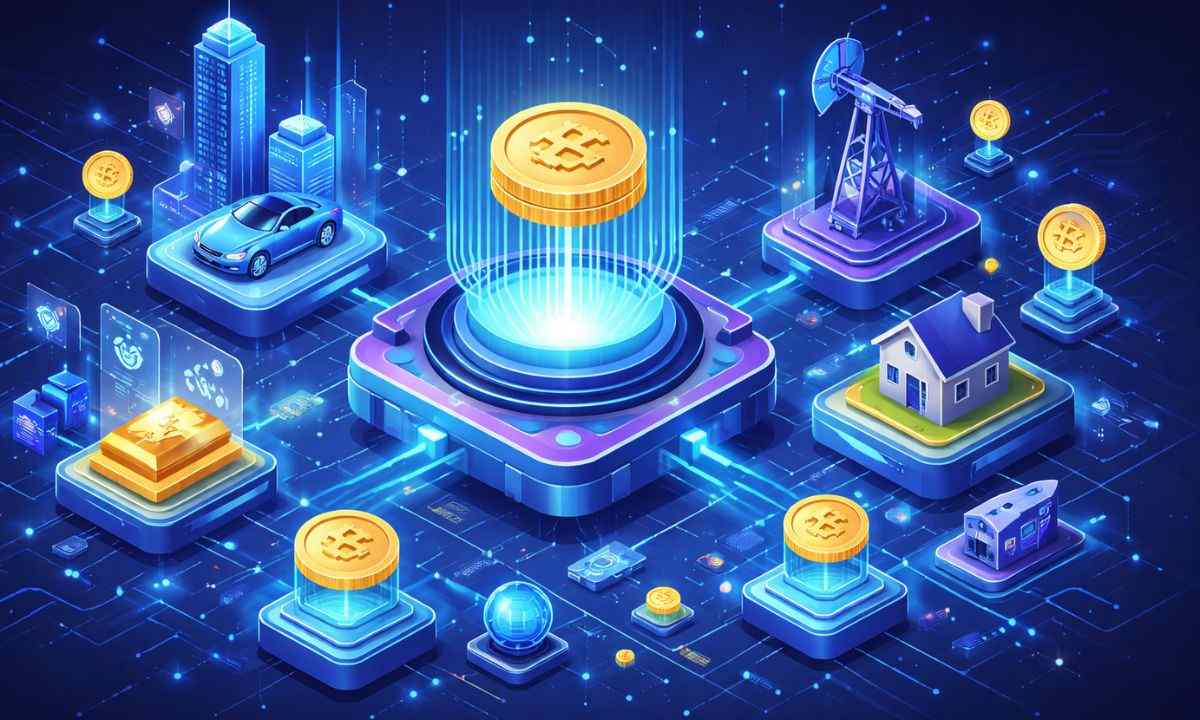
In recent years, the concept of representing physical assets on blockchain networks has attracted the attention of entrepreneurs, financial institutions, and technology firms. Asset tokenization platform development focuses on converting ownership rights of real-world assets into digital tokens that exist on a blockchain ledger. These tokens represent a portion or full ownership of assets such as real estate, artwork, commodities, private equity, or infrastructure.
Traditional asset ownership systems often involve multiple intermediaries, long documentation procedures, and limited access for global investors. Digital token representation offers an alternative approach where asset ownership can be divided into smaller units and recorded digitally. This method allows individuals from different parts of the world to participate in investment opportunities that were previously available only to large institutions or wealthy investors.
As blockchain adoption grows across industries, organizations are beginning to evaluate the potential of asset tokenization platforms for investment management, asset trading, and digital asset administration. Businesses entering this space require reliable infrastructure that manages token issuance, compliance procedures, asset verification, and digital trading activities.
Asset Tokenization Platform Development focuses on creating that infrastructure while maintaining legal alignment, investor protection, and operational efficiency.
Understanding Asset Tokenization
Asset tokenization refers to the process of converting ownership rights of a physical or financial asset into digital tokens stored on a blockchain network. Each token represents a fraction of the underlying asset and can be transferred between participants according to predefined rules.
These tokens function as digital certificates of ownership. They are stored in blockchain wallets and recorded permanently on distributed ledgers. Since blockchain records are immutable, the ownership history of each token remains accessible and verifiable.
The tokenization process begins with identifying an asset that can be represented digitally. After legal evaluation and valuation, ownership rights are divided into digital tokens using blockchain-based smart contracts.
Examples of assets that can be tokenized include:
-
Residential and commercial real estate
-
Precious metals such as gold and silver
-
Fine art and collectibles
-
Private equity shares
-
Infrastructure projects
-
Intellectual property rights
-
Commodities and agricultural assets
Through asset tokenization platform development, these assets gain a digital representation that investors can purchase, hold, or trade.
Why Businesses Are Investing in Asset Tokenization Platforms
Organizations entering the tokenized asset sector often focus on improving accessibility, liquidity, and operational efficiency within asset markets.
Traditional investment systems often involve paperwork, legal intermediaries, and long settlement periods. Tokenization platforms introduce digital records that simplify asset ownership management.
Several factors encourage businesses to adopt asset tokenization technology.
Fractional Ownership Opportunities
High-value assets such as commercial real estate or artwork are typically inaccessible to small investors. Tokenization divides ownership into smaller units, allowing individuals to purchase fractional shares.
This method opens investment opportunities to a wider audience while maintaining digital ownership records.
Global Investor Participation
Digital tokens can be traded across blockchain networks that operate globally. Investors from different regions can participate in asset markets without physical limitations.
Asset tokenization platforms support digital onboarding, identity verification, and wallet-based investment access.
Faster Settlement Cycles
Traditional asset transfers can require several days or weeks due to documentation and financial clearing processes. Blockchain-based token transfers occur within minutes or hours depending on the network.
Improved Asset Liquidity
Many physical assets remain illiquid because selling them requires lengthy procedures. Tokenization introduces secondary trading possibilities where token holders can sell their shares in digital asset marketplaces.
Role of Asset Tokenization Platform Development
Asset Tokenization Platform Development involves creating the digital infrastructure required to convert physical assets into blockchain-based tokens and manage their lifecycle.
These platforms combine blockchain technology with financial management tools and regulatory systems.
A typical tokenization platform includes multiple modules responsible for various functions such as asset verification, investor onboarding, token creation, compliance management, and digital trading.
Organizations planning to launch tokenized asset ecosystems often partner with an Asset Tokenization Platform Development Company that provides technical expertise and infrastructure planning.
Key Components of an Asset Tokenization Platform
Tokenization platforms consist of several technological and operational layers that support digital asset creation and management.
Asset Onboarding Module
This component records asset details and verifies ownership documentation before tokenization begins. The system stores legal agreements, valuation reports, and ownership data.
Smart Contract System
Smart contracts define token rules, ownership allocation, dividend distribution, and transfer conditions. These automated agreements execute predefined actions when certain conditions are met.
Investor Management System
Investor registration, identity verification, and compliance checks occur through onboarding modules. Know Your Customer and Anti-Money Laundering verification procedures help maintain regulatory compliance.
Token Issuance Engine
The issuance engine converts asset ownership into digital tokens and distributes them among investors during initial offering phases.
Marketplace or Trading Platform
Tokenized assets may be traded in secondary markets. Trading modules allow investors to buy or sell asset tokens while maintaining transaction records.
Wallet Integration
Digital wallets store tokenized assets and allow users to manage their holdings. Wallet integration connects investors to blockchain networks securely.
Step-by-Step Process of Asset Tokenization Platform Development
Developing a tokenization platform involves technical development, legal evaluation, and operational planning. The following steps outline a typical development procedure.
1. Asset Identification and Evaluation
The process begins by selecting assets suitable for tokenization. Real estate properties, infrastructure investments, commodities, and intellectual property rights are common choices.
Asset valuation determines the total market value and defines the token supply structure.
2. Legal Structure Formation
Legal frameworks determine how asset ownership will be represented digitally. Some projects create Special Purpose Vehicles that hold the physical asset while tokens represent shares in the entity.
Legal agreements also specify investor rights, dividend distribution policies, and regulatory requirements.
3. Blockchain Network Selection
Different blockchain networks support token creation and transaction management. Developers select networks based on transaction cost, ecosystem maturity, and compatibility with digital asset standards.
4. Smart Contract Development
Smart contracts define token issuance rules and ownership management procedures. These contracts manage token supply, transfer conditions, and revenue distribution mechanisms.
Security audits are performed to verify contract integrity.
5. Platform Interface Development
The user interface allows asset issuers and investors to interact with the tokenization system. Dashboard panels display asset listings, token supply, investor portfolios, and transaction histories.
6. Compliance and Identity Verification Systems
Regulatory compliance modules verify investor identity and location before allowing participation in token offerings. These systems help organizations follow financial regulations in different jurisdictions.
7. Platform Testing and Deployment
After development is completed, testing procedures identify technical issues before public launch. Once validated, the platform becomes accessible to asset issuers and investors.
Methods Used in Asset Tokenization
Different tokenization methods exist depending on asset type, ownership structure, and regulatory considerations.
Equity-Based Tokenization
In this model, tokens represent shares in a legal entity that owns the underlying asset. Investors receive dividends or profit distributions based on their holdings.
Debt-Based Tokenization
Tokens represent loan agreements or debt instruments. Investors earn interest payments according to predefined schedules.
Revenue-Based Tokenization
Certain assets generate recurring revenue streams such as rental income or royalty payments. Tokens distribute a portion of revenue among holders.
Asset-Backed Tokenization
In this method, tokens directly represent ownership rights of a physical asset. The token holder owns a fractional portion of the asset.
Use Cases of Asset Tokenization Platforms
Asset tokenization platforms support multiple industries where high-value assets exist.
Real Estate Tokenization
Real estate markets involve high capital requirements and long transaction processes. Tokenization platforms allow property developers to divide ownership into digital tokens and raise capital from global investors.
Investors purchase tokens representing fractional property ownership and receive income distributions such as rental profits.
Art and Collectibles
Rare artwork and collectible assets often attract wealthy collectors. Tokenization divides ownership into digital shares so multiple investors can participate.
Commodity Tokenization
Precious metals, agricultural assets, and natural resources can be represented through blockchain tokens backed by physical reserves.
Infrastructure Funding
Infrastructure projects require large capital investments. Tokenization introduces new funding models where investors contribute smaller amounts through digital tokens.
Benefits of Asset Tokenization Platforms
Asset tokenization platforms introduce several operational advantages compared to traditional asset management systems.
Broader Investor Access
Fractional ownership allows retail investors to participate in asset markets that previously required large capital commitments.
Digital Ownership Records
Blockchain ledgers record asset ownership transactions permanently. These records help maintain accurate ownership history.
Reduced Administrative Burden
Digital documentation replaces several manual recordkeeping processes associated with asset ownership.
Secondary Market Opportunities
Tokenized assets can be traded in digital marketplaces depending on regulatory conditions.
Challenges in Asset Tokenization Platform Development
Despite its growing popularity, asset tokenization also presents several challenges that organizations must address.
Regulatory Uncertainty
Financial regulations differ across countries. Tokenized asset offerings must comply with securities laws and investor protection frameworks.
Asset Custody and Verification
Ensuring that the underlying physical asset exists and remains properly managed is an important concern.
Market Liquidity
Although tokenization allows secondary trading, liquidity depends on market participation and investor demand.
Technology Security
Smart contract vulnerabilities or cybersecurity threats may affect digital asset platforms if proper security practices are not followed.
The Role of Asset Tokenization Development Services
Businesses planning to launch tokenized asset ecosystems often rely on professional asset tokenization development services. These service providers assist with platform architecture design, blockchain integration, and regulatory preparation.
Development teams analyze asset structures, select blockchain networks, develop smart contracts, and create user interfaces for asset issuers and investors.
An experienced asset tokenization development company also conducts platform testing and security reviews before deployment.
Through professional development services, businesses can enter the digital asset market with reliable infrastructure and operational readiness.
Future Outlook of Tokenized Asset Markets
Global financial markets continue to show interest in digital asset systems that represent real-world assets on blockchain networks.
Financial institutions, property developers, investment funds, and technology firms are gradually experimenting with tokenized investment models.
Regulatory bodies in various regions are studying digital asset frameworks that protect investors while supporting financial innovation.
As blockchain adoption continues to expand, asset tokenization platforms may play a role in redefining how ownership rights are recorded and transferred.
Conclusion
Asset Tokenization Platform Development represents an emerging sector where blockchain technology meets traditional asset ownership models. By converting physical assets into digital tokens, organizations create new investment opportunities for global participants.
Tokenization introduces fractional ownership structures, digital ownership records, and potential liquidity opportunities for assets that previously remained difficult to trade.
However, successful implementation requires careful planning that includes legal evaluation, secure smart contract development, asset verification procedures, and regulatory compliance.
With proper infrastructure and responsible management practices, asset tokenization platforms can support new investment ecosystems where digital technology connects global investors with physical asset markets.