
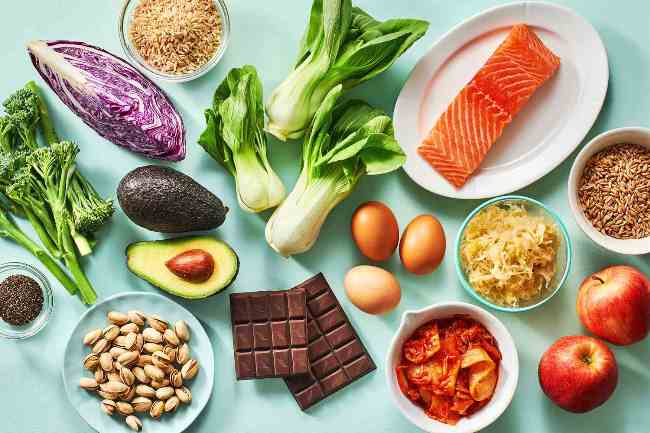
A healthy diet is the cornerstone of overall well-being, providing our bodies with the essential nutrients needed for optimal functioning. By incorporating nutrient-rich foods into our daily meals, we can fuel our bodies, support bodily functions, and promote long-term vitality.
In this article, we will explore a variety of healthy foods that are beneficial for a well-rounded diet, ensuring that you receive the nourishment your body craves.
Colorful Fruits & Vegetables
Fruits and vegetables are packed with vitamins, minerals, fiber, and antioxidants, making them vital components of a healthy diet. Aim to include a variety of colors in your diet, such as leafy greens, berries, citrus fruits, tomatoes, carrots, and bell peppers. These vibrant foods provide essential nutrients while adding flavor, texture, and visual appeal to your meals.
Whole Grains
Whole grains are abundant in fiber, vitamins, minerals, and antioxidants. Choose unrefined grains such as brown rice, quinoa, oats, whole wheat bread, and whole grain pasta to maximize your nutrient intake. These foods provide sustained energy, regulate blood sugar levels, and support digestive health. Whole grains are also associated with a reduced risk of heart disease, type 2 diabetes, and certain types of cancer.
Lean Proteins
Protein is crucial for building and repairing tissues, maintaining muscle mass, and supporting various bodily functions. Incorporate lean protein sources into your diet such as skinless poultry, fish (salmon, tuna, cod), legumes (beans, lentils), tofu, tempeh, and Greek yogurt. These options provide high-quality protein with fewer saturated fats and cholesterol.
Healthy Fats
While fats have often been demonized, healthy fats are essential for the body’s proper functioning. Include sources of unsaturated fats in your diet such as avocados, olive oil, nuts (almonds, walnuts, cashews), seeds (chia seeds, flaxseeds), and fatty fish (salmon, sardines). These foods provide omega-3 fatty acids, which are beneficial for heart health, brain function, and inflammation reduction.
Dairy or Dairy Alternatives
Dairy products are rich in calcium, protein, and other essential nutrients. If you consume dairy, opt for low-fat or skim options like milk, yogurt, and cheese. If you are lactose intolerant or prefer non-dairy alternatives, consider fortified plant-based options like almond milk, soy milk, or oat milk that provide similar nutrients.
Legumes
Legumes, including beans, lentils, chickpeas, and peas, are excellent sources of plant-based protein, fiber, vitamins, and minerals. They are also low in fat and cholesterol. Incorporate legumes into your diet through soups, salads, stews, or by adding them to grain-based dishes.
Hydration and Herbal Teas
Staying hydrated is crucial for overall health. Water should be the primary beverage of choice throughout the day. Herbal teas, such as chamomile, green tea, or peppermint tea, can also provide hydration and additional health benefits. Limit sugary drinks, sodas, and excessive caffeine intake.
Conclusion
A well-balanced diet entails an equilibrium of an array of nutrient-dense foods. By including a vibrant assortment of fruits and vegetables, whole grains, lean proteins, healthy fats, dairy or dairy alternatives, legumes, and maintaining proper hydration, you can effectively nourish your body and promote holistic well-being.
Remember to prioritize whole, unprocessed foods and practice moderation in portion sizes. Embrace the joy of cooking and experiment with new recipes that feature these healthy foods. With a mindful approach to your diet, you can fuel your body with the nutrients it needs to thrive and enjoy a healthier, more vibrant life.

