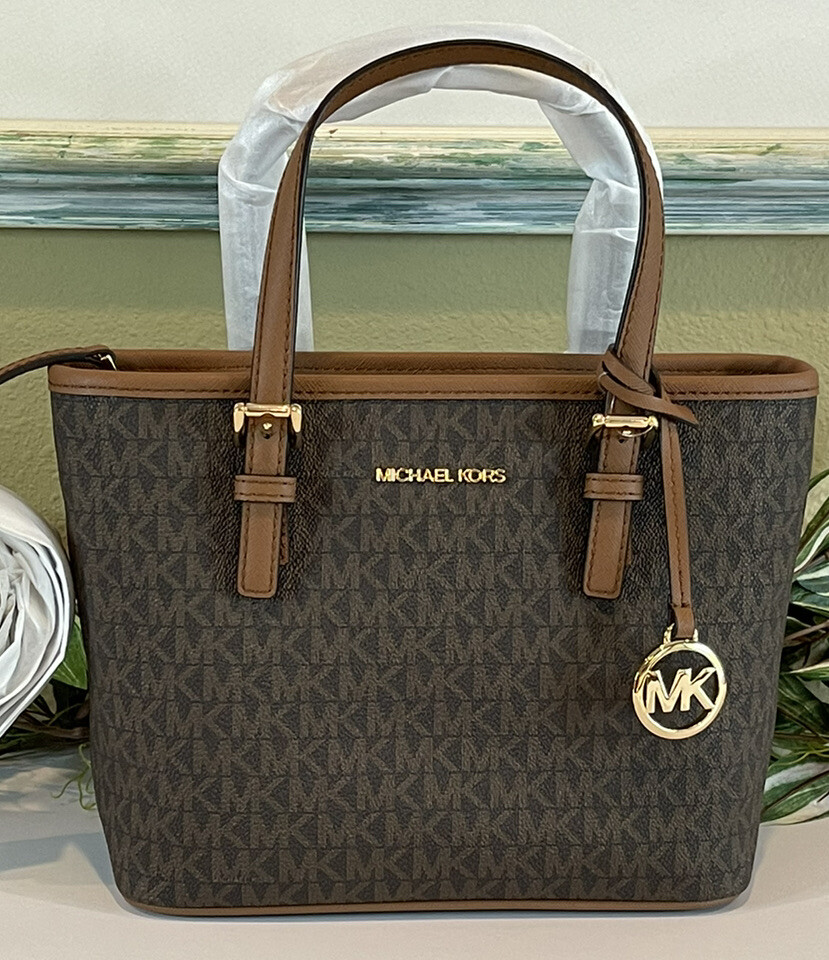
In the vast and varied landscape of fashion, the allure of designer accessories is undeniable. Yet, the hefty price tags attached to such items often place them out of reach for many style enthusiasts. This gap between desire and affordability has given rise to an alternative market of replica designer bags, a sector that thrives by offering consumers the aesthetic appeal of luxury items without the steep costs. The ethical ramifications of this market are complex and worth exploring, particularly through the lens of positive impacts.
Replica bags provide an accessible entry point into the world of high fashion for a broader audience. For those who appreciate the design and craftsmanship of prestigious brands like Louis Vuitton but cannot justify or afford the original pricing, purchasing a replica provides a solution. A replica Louis Vuitton bag, though not carrying the same branding as the original, allows wearers to enjoy a similar design quality and fashion stature.
Furthermore, fake bags open up avenues for creative expression among consumers who might otherwise be excluded due to financial constraints. Fashion, at its core, is about personal expression and replicating handbags democratize this opportunity, enabling more individuals to participate in trend-setting and style emulation. It lowers barriers, making must-have seasonal trends accessible as seen through pools of designs circulating in affordable spheres.
Another argument in favor of replica designer bags concerns its implication for sustainability. High-quality replica handbags might arguably reduce fast fashion consumption since they provide an affordable alternative to trend chasing through low-quality, quickly discarded items. If constructed well, knock off designer bags can offer longevity and style endurance, helping reduce the landfill impacts associated with throw-away fashion culture.
Additionally, while not directly contributing to the original designers’ profit margin, some proponents argue that replicas keep brands relevant and visible in markets where genuine products are seldom sold or are unaffordable to the majority. This exposure could indirectly boost brand recognition globally, even if it isn’t through standard commercial routes.
The received stigma around owning knock-off designer bags is an ongoing debate. As society leans towards inclusivity and economic diversity in every sphere including fashion, these once-neglected sectors are beginning to reshape perceptions around value versus authenticity.
Browsing online collections such as those which offer “premium fake handbags” suggests a professional approach to replicating aesthetics that cater to demand without pretense. These online venues give consumers transparent options to indulge in high-fashion looks, recognizing that the true essence lies beyond the label.
For further reading on designer trends and luxury bags for different seasons, enthusiasts can visit https://www.hollywoodreporter.com/lifestyle/style/best-designer-bags-fall-winter-2023-1235545077/, providing insights into how these trends evolve directly from the runways to everyday fashion.
Exploring the replica designer bag industry reveals inherent challenges but also significant benefits linked to economic accessibility and consumer choice. As dialogue around fashion continues to evolve towards inclusivity and ethical awareness, understanding multiple perspectives becomes crucial. Such discussions don’t absolve ethical issues but rather enrich our comprehension of a multifaceted issue within the modern tapestry of consumer goods and cultural values.