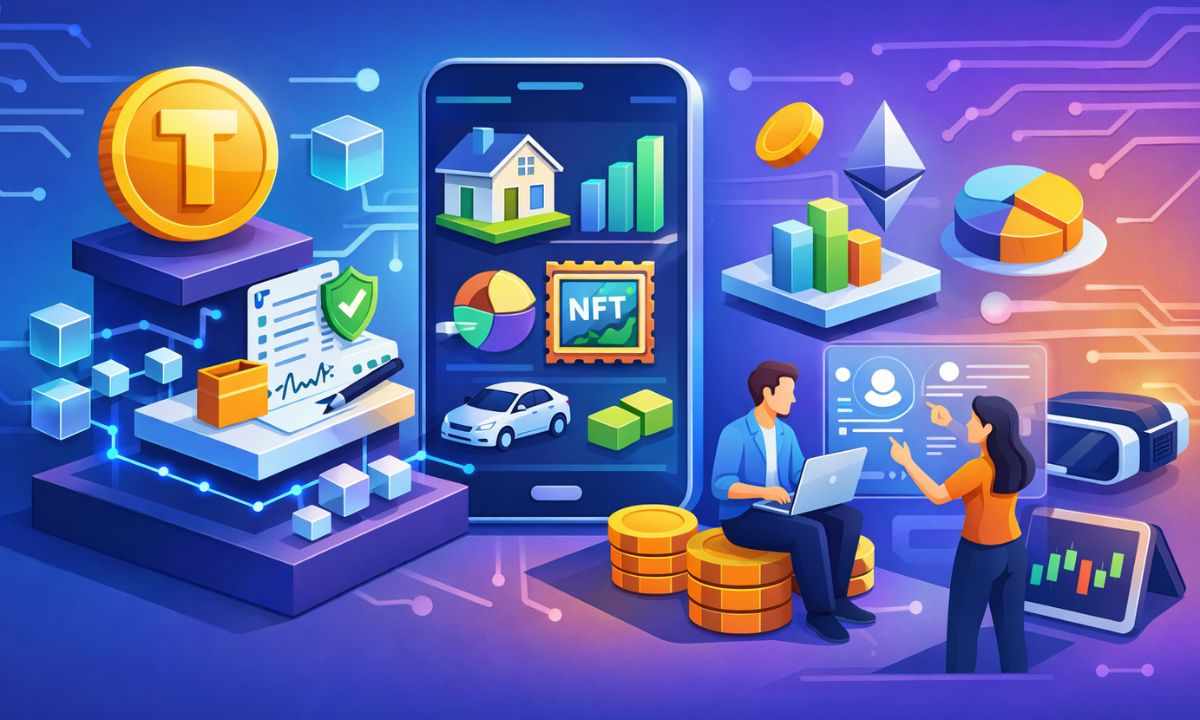
Tokenized asset platform development has moved from early experimentation to structured implementation across real estate, commodities, private equity, and financial instruments. Businesses entering this space are no longer asking whether tokenization is viable, but how to design platforms that function reliably while meeting user expectations. The journey begins with smart contracts and extends to user interfaces, compliance layers, and operational workflows.
A well-designed tokenized asset platform is not limited to blockchain deployment. It requires coordination between legal frameworks, asset digitization methods, transaction logic, and user interaction systems. Each layer contributes to how investors access, manage, and trade tokenized assets. Ignoring any part of this chain often leads to platforms that struggle with adoption or regulatory friction.
This article explains how tokenized asset platforms are structured, focusing on smart contract logic and user experience considerations, along with methods and practical steps for development.
Understanding Tokenized Asset Platforms
Tokenized asset platforms represent ownership of physical or financial assets through digital tokens on a blockchain. These tokens reflect fractional or full ownership, allowing users to buy, sell, or transfer assets without traditional intermediaries.
The platform itself acts as a bridge between real-world assets and blockchain infrastructure. It handles asset onboarding, token issuance, investor access, transaction execution, and reporting. Developers must design systems that maintain accuracy between off-chain asset records and on-chain token data.
Asset categories commonly used in tokenization platforms include real estate, artwork, commodities such as gold, and revenue-generating assets like rental portfolios. Each asset type introduces unique requirements for valuation, compliance, and liquidity.
Role of Smart Contracts in Tokenization
Smart contracts define how tokens behave within the platform. They handle issuance, ownership tracking, transfer rules, and compliance conditions. These contracts must reflect legal agreements tied to the underlying asset.
A smart contract for Tokenized Asset Platform Development usually includes ownership mapping, dividend or income distribution logic, transfer restrictions, and investor eligibility checks. For example, a real estate token may restrict transfers to verified users within certain jurisdictions.
Security is a primary concern. Smart contract vulnerabilities can lead to financial loss or unauthorized transactions. Developers must follow strict testing processes and conduct audits before deployment.
Methods for Designing Smart Contracts
Smart contract design varies based on asset type and platform goals. Below are practical methods used during development:
-
Define asset representation logic that matches legal ownership structures
-
Integrate compliance rules such as KYC and AML checks within transfer functions
-
Use modular contract architecture for easier upgrades and maintenance
-
Implement multi-signature controls for administrative actions
-
Conduct testnet simulations before mainnet deployment
These methods help reduce risks and support long-term platform reliability.
Token Standards and Their Importance
Token standards determine how tokens interact with wallets, exchanges, and other blockchain services. Choosing the correct standard affects interoperability and usability.
For fungible assets like shares, standards such as ERC-20 are commonly used. For unique assets or property ownership, ERC-721 or ERC-1155 standards may be more suitable. Hybrid models are also used in cases where fractional ownership is required for unique assets.
Developers must consider future compatibility when selecting standards. A platform built without considering integration may face limitations when connecting with external marketplaces or financial systems.
Asset Onboarding and Verification
Before tokenization, assets must undergo verification and valuation. This process ensures that tokens represent actual ownership and are backed by legal documentation.
Asset onboarding involves collecting ownership records, conducting due diligence, and verifying legal compliance. For real estate, this includes property titles, zoning approvals, and valuation reports.
The onboarding process must also connect with the blockchain layer. Metadata about the asset is stored off-chain, while references or hashes are recorded on-chain for verification purposes.
Methods for Asset Onboarding
Effective onboarding requires structured workflows. Common methods include:
-
Conduct third-party asset valuation and legal verification
-
Digitize asset documentation and store it securely off-chain
-
Link asset data to blockchain using cryptographic hashes
-
Define token supply based on asset valuation
-
Establish ownership rights and investor terms before token issuance
These steps help maintain consistency between real-world assets and their digital representations.
Compliance and Regulatory Integration
Tokenized asset platforms operate within financial and legal frameworks. Compliance requirements vary by region but often include identity verification, investor accreditation, and reporting obligations.
Platforms must integrate KYC and AML systems to verify users before allowing transactions. In some jurisdictions, only accredited investors can access certain tokenized assets.
Smart contracts also play a role in compliance by enforcing transfer restrictions. For example, tokens may only be transferable between verified wallets.
Ignoring compliance can lead to platform shutdowns or legal action. Developers must work closely with legal advisors during the planning stage.
Backend Infrastructure and Data Management
Beyond blockchain, tokenized asset platforms rely on backend systems for user management, transaction tracking, and reporting. These systems connect blockchain activity with application interfaces.
The backend handles wallet integration, transaction history, asset data storage, and communication between smart contracts and user interfaces. It also manages off-chain processes such as document storage and user verification.
Data synchronization is important. Any mismatch between blockchain records and backend systems can cause errors in user balances or transaction history.
User Experience in Tokenized Platforms
User experience determines how easily investors interact with the platform. Even if the underlying technology is reliable, poor interface design can limit adoption.
Users should be able to understand asset details, purchase tokens, track holdings, and withdraw funds without confusion. The interface must simplify blockchain interactions, hiding technical complexity where possible.
Navigation, clarity of information, and transaction feedback are important elements. Users expect confirmation of actions, clear pricing details, and visibility into their investments.
Methods for Improving User Experience
Designing user-friendly platforms requires attention to interaction patterns. Effective methods include:
-
Simplify onboarding with guided registration and verification steps
-
Provide clear dashboards showing asset performance and ownership
-
Use step-by-step transaction flows for buying and selling tokens
-
Display fees, risks, and asset details in an understandable format
-
Offer customer support channels for user assistance
These methods help reduce friction and improve user confidence.
Wallet Integration and Payment Systems
Wallet integration allows users to store and manage their tokens. Platforms may support external wallets or provide built-in wallet solutions.
Payment systems must support both fiat and cryptocurrency transactions. Fiat gateways allow users to purchase tokens using traditional payment methods, while crypto payments support blockchain-native transactions.
Developers must handle transaction confirmations, network fees, and wallet security. Providing clear instructions for wallet usage is also necessary for users unfamiliar with blockchain systems.
Liquidity and Secondary Markets
Liquidity determines how easily users can buy or sell tokens. Without liquidity, tokenized assets may remain static, limiting investor interest.
Platforms can integrate secondary marketplaces where users trade tokens. These marketplaces may operate internally or connect with external exchanges.
Liquidity strategies include market-making mechanisms, partnerships with trading platforms, and incentives for active participation.
Security Considerations
Security extends beyond smart contracts. Platforms must protect user data, funds, and system integrity.
Common risks include unauthorized access, phishing attacks, and system vulnerabilities. Developers must implement encryption, secure authentication methods, and regular system monitoring.
Security audits and penetration testing are necessary before launch. Ongoing monitoring helps detect and address potential threats.
Methods for Strengthening Platform Security
Security strategies should cover multiple layers. Practical methods include:
-
Conduct smart contract audits through third-party firms
-
Implement multi-factor authentication for user accounts
-
Use encryption for sensitive data storage
-
Monitor transactions for suspicious activity
-
Maintain backup systems and recovery plans
These practices help reduce exposure to security threats.
Integration with External Systems
Tokenized asset platforms often connect with external services such as payment gateways, identity verification providers, and analytics tools.
APIs play a major role in these integrations. They allow data exchange between systems and support platform functionality.
Developers must ensure that integrations do not introduce vulnerabilities or performance issues. Testing and monitoring are required for stable operation.
Maintenance and Platform Updates
After launch, platforms require ongoing maintenance. This includes updating smart contracts, improving user interfaces, and adapting to regulatory changes.
Upgrade mechanisms must be planned in advance. Smart contracts are often immutable, so developers use proxy patterns or modular designs to allow updates without disrupting existing data.
Regular updates help keep the platform relevant and functional as market conditions change.
Business Considerations in Platform Development
Tokenized asset platforms must align with business goals. Revenue models may include transaction fees, listing fees, or asset management charges.
Developers must consider user acquisition strategies, partnerships, and market positioning. A technically sound platform without a clear business model may struggle to gain traction.
Understanding target users is important. Platforms aimed at institutional investors may differ significantly from those targeting retail users.
Challenges in Tokenized Asset Platform Development
Developing tokenized asset platforms involves technical, legal, and operational challenges. These include regulatory uncertainty, integration complexity, and user education.
Interoperability between blockchain networks is another concern. Platforms must decide whether to operate on a single network or support multiple chains.
User trust is also a factor. Investors need assurance that assets are legitimate and that the platform operates reliably.
Future Direction of Tokenized Platforms
Tokenized asset platforms are expanding into new sectors, including intellectual property, carbon credits, and infrastructure projects. As adoption increases, platforms are focusing more on usability and compliance.
Improved standards and regulatory clarity are expected to support wider adoption. Platforms that combine reliable infrastructure with user-friendly interfaces are more likely to succeed.
Developers entering this field must focus on both technical and user-facing aspects. Ignoring either side can limit platform growth.
Conclusion
Tokenized asset platform development involves more than deploying smart contracts. It requires a structured approach that connects asset verification, blockchain logic, backend systems, and user interaction.
Smart contracts define how assets are represented and managed, while user experience determines how effectively users engage with the platform. Both elements must work together to create a functional system.
By following structured methods in smart contract design, asset onboarding, compliance integration, and user experience planning, developers can build platforms that meet both technical and user expectations. As the tokenization market continues to expand, platforms that balance these elements will be better positioned for long-term adoption.